
 Connect Sign In












New ARUP Resource Simplifies Laboratory Testing Decisions for Clinicians Treating Multiple Sclerosis
A new ARUP Consult tool helps clarify the testing requirements for medication management when clinicians are treating patients with multiple sclerosis.

Laboratory-developed tests made up only about 4% of an academic health system’s total test orders in 2021, yet they played an important role in patient care, a new study shows.
ARUP Consult, a free source of expert guidance in laboratory testing, has updated educational resources for venous thromboembolism, cytomegalovirus, and hemoglobinopathies.

ARUP’s culture of caring has earned it Utah Business magazine’s Best Companies To Work For Award for a fifth consecutive year.
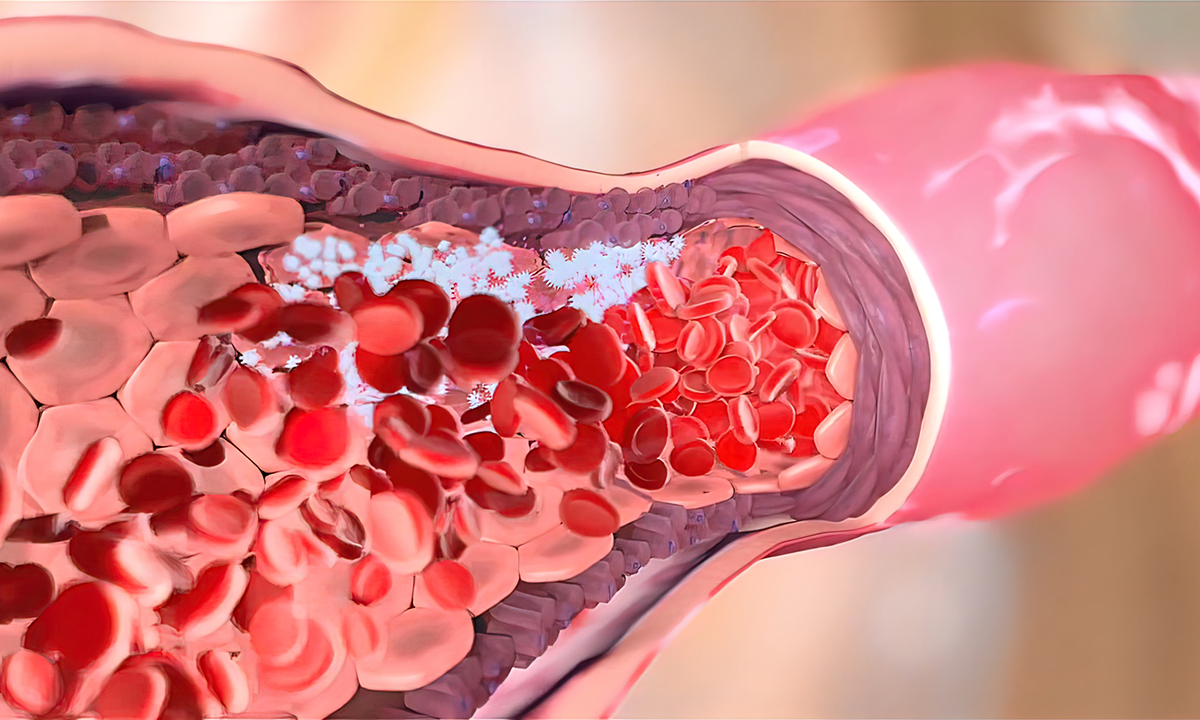
Routine monitoring of patients taking direct factor Xa inhibitors is not required, but the efficacy and safety of this treatment can be measured with ARUP’s newest test offerings.
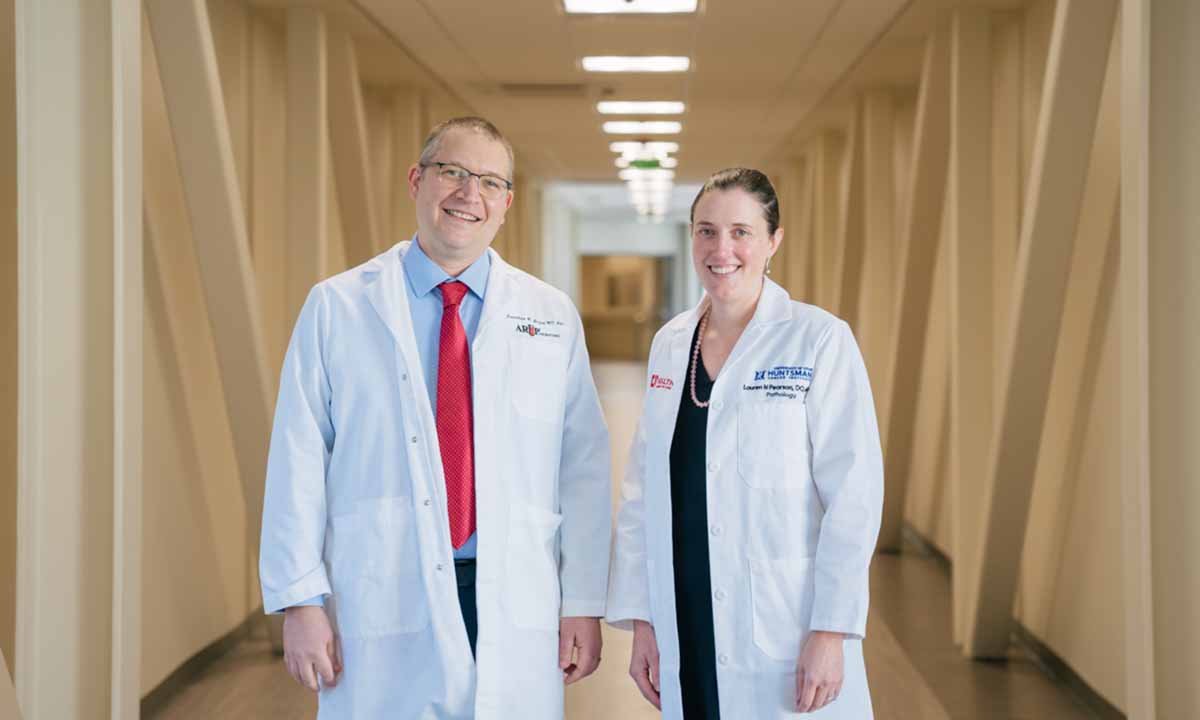
ARUP CMOs are coauthors of a newly published JAMA Research Letter that summarizes how clinical labs are leading the way in eliminating inequality in healthcare.

Lauren Pearson, DO, MPH, has been appointed to serve as the first chief medical officer of ARUP at University of Utah Health to support ARUP’s mission to provide the highest quality diagnostic care.

Park City Anatomic Pathology Update Promises Guidance on Practical Application of Latest WHO Updates
The University of Utah Department of Pathology and ARUP Laboratories will host the 36th Annual Park City Anatomic Pathology Update from February 5–9, 2023.

ARUP President and CSO Tracy George, MD, joined industry leaders and stakeholders at the 13th annual BioHive Summit Thursday to discuss ARUP’s employee focus, staff retention, and company culture.
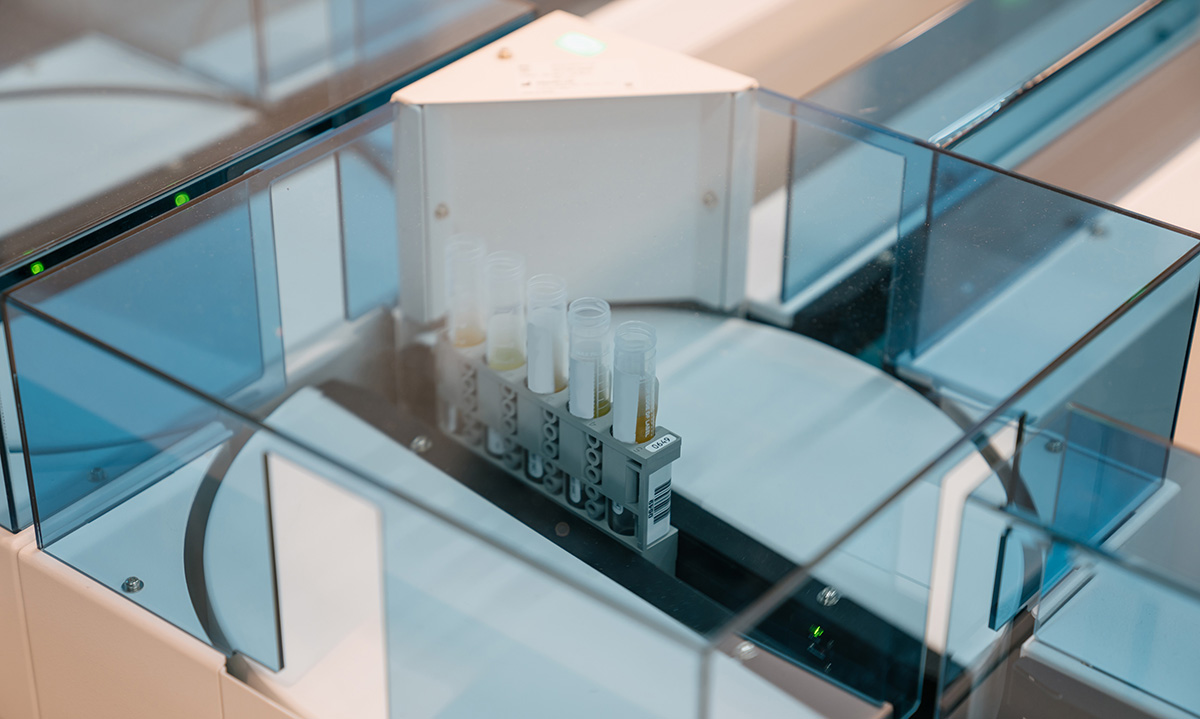
The near total automation installed in ARUP’s Automated Core Lab increases capacity for testing, provides better turnaround times, reduces risk of human error, and improves staff satisfaction.
ARUP’s International Organization for Standardization (ISO) 15189 accreditation assessment has successfully concluded, and results confirm the consistently high quality of ARUP’s operations.

ARUP’S new test is the first of its kind to use two distinct biomarkers to identify in utero exposure to kratom, an herbal supplement that may cause neonatal abstinence syndrome.
