
 Connect Sign In
















Longtime donor Malinda Burrell won a ride on the University of Utah Health AirMed helicopter, taking a bird’s-eye view of Utah and gaining a deeper appreciation of how blood donors help save lives.
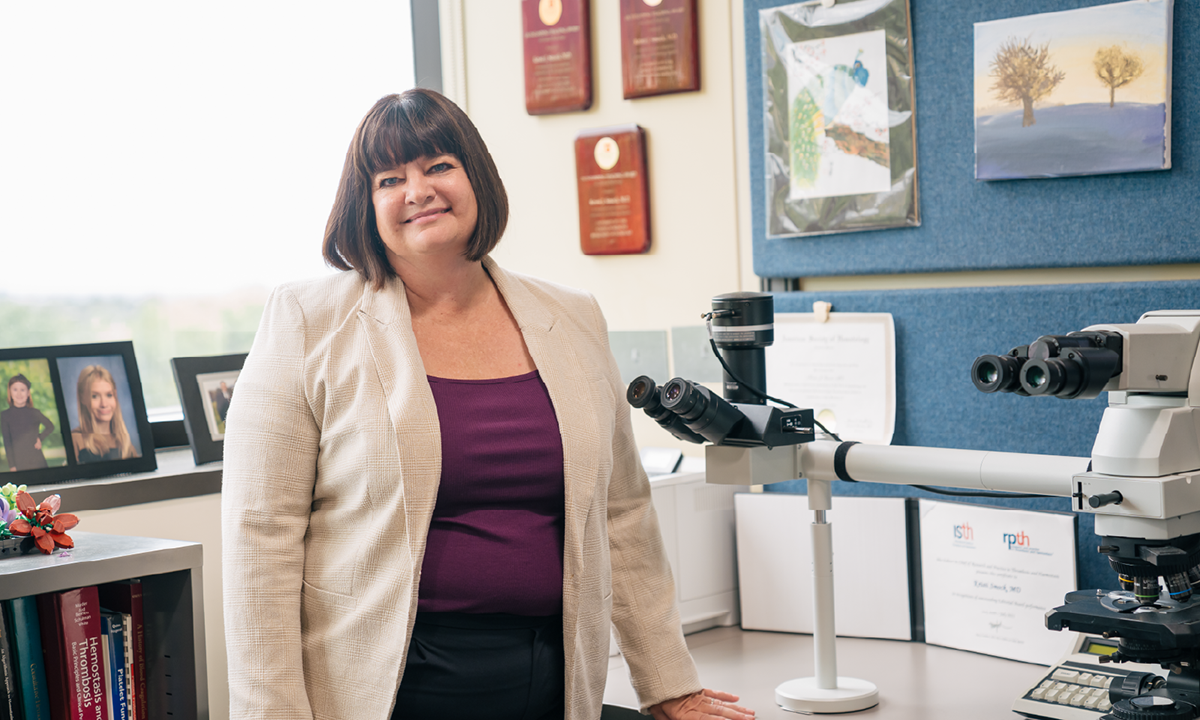
Physician, educator, and mentor Kristi Smock, MD, was recognized as a 2026 Utah Business Healthcare Hero for advancing patient care and shaping future healthcare leaders.

ARUP’s inclusion in the Redtail AI Factory’s second challenge project cohort will accelerate development of an AI foundation model designed to enhance analysis of clinical flow cytometry data.
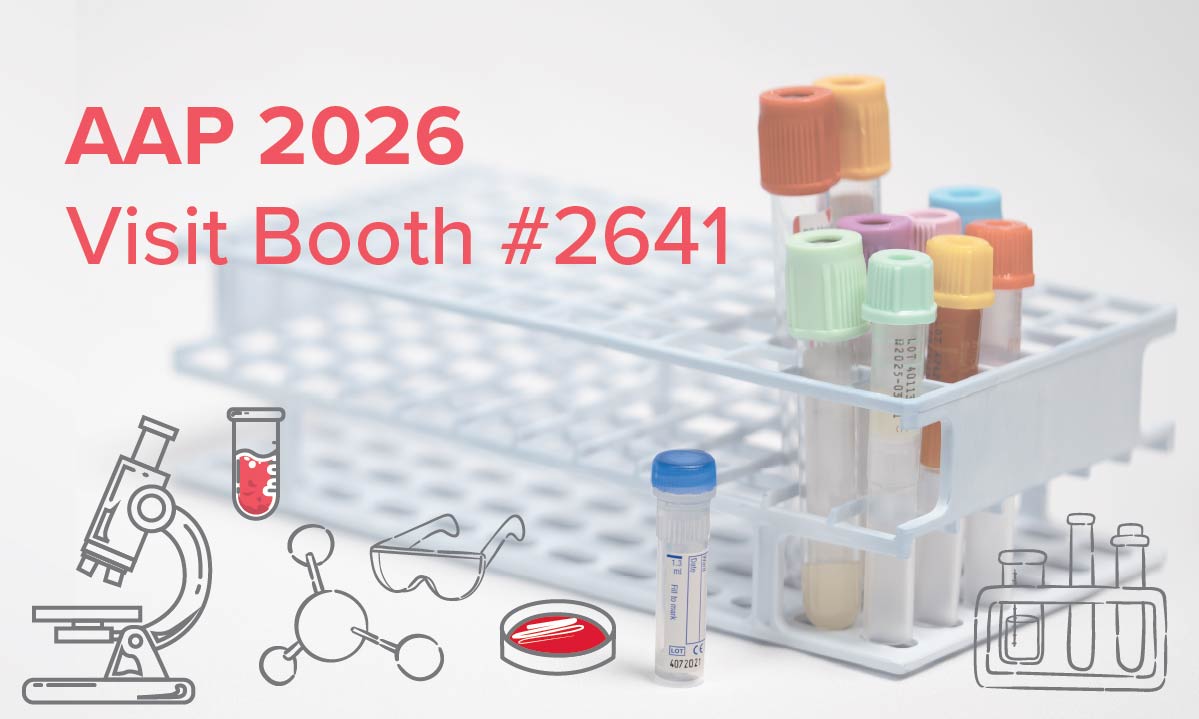
Discover how ARUP is advancing pediatric care through innovations in genomics, infectious disease, allergen testing, and more at the AAP 2026 National Conference.

Proposed cuts to Medicare reimbursements for lab tests released September 21 underscore the urgent need for Congress to pass the bipartisan RESULTS Act to fix flaws in how reimbursement is calculated.

Teofilo was recognized for her leadership and innovation in healthcare technology, which are inspired by personal experience and a commitment to patient care.

During Newborn Screening Awareness Month, explore updated ARUP Consult® resources that support follow-up testing and diagnosis for conditions identified through newborn screening.

Atypical cell-free DNA results frequently indicate clinically relevant diagnoses and offer important clues for follow-up diagnostic testing.
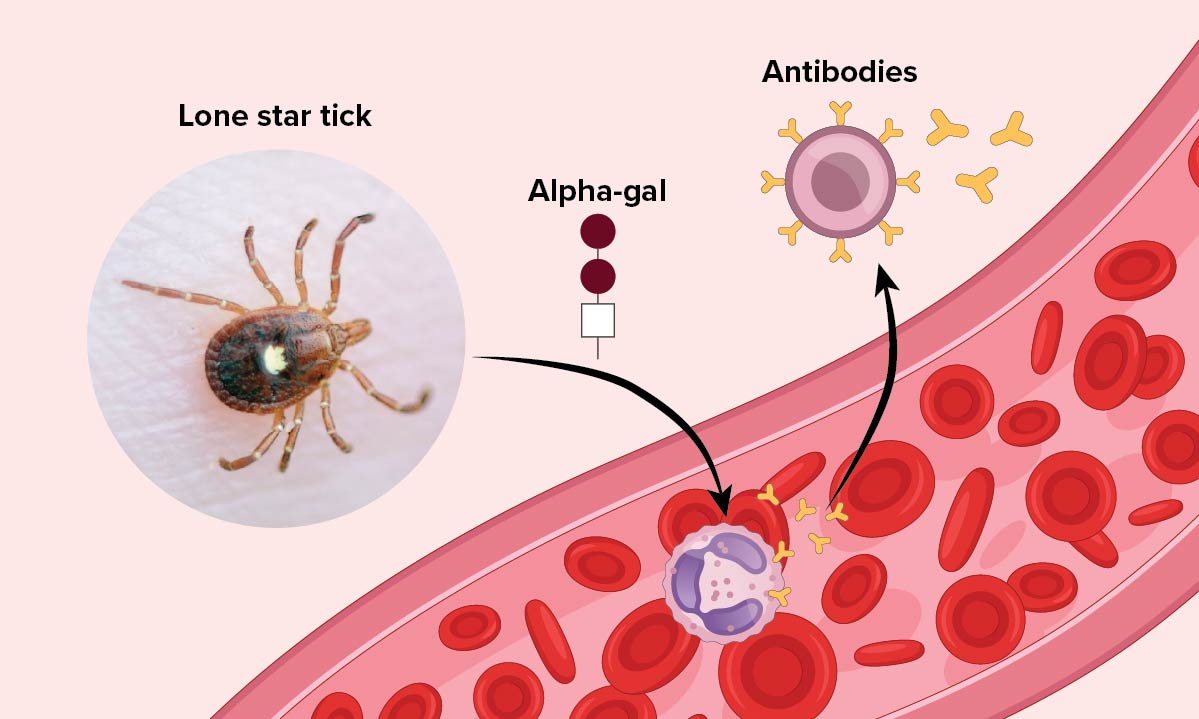
A newly published epidemiologic study provides evidence for a previously unrecognized transfusion risk for patients with alpha-gal syndrome, an allergic condition that can develop after a tick bite.

The seven-part article series explores key provisions of the Enhancing CLIA Act and is intended to encourage thoughtful discussions about the future of regulating laboratory-developed tests.

ARUP pairs analytical rigor with specialty expertise in immunopathology to provide reliable results, insights, and answers to complex diagnostic questions. Explore solutions with us at AMLI 2026.
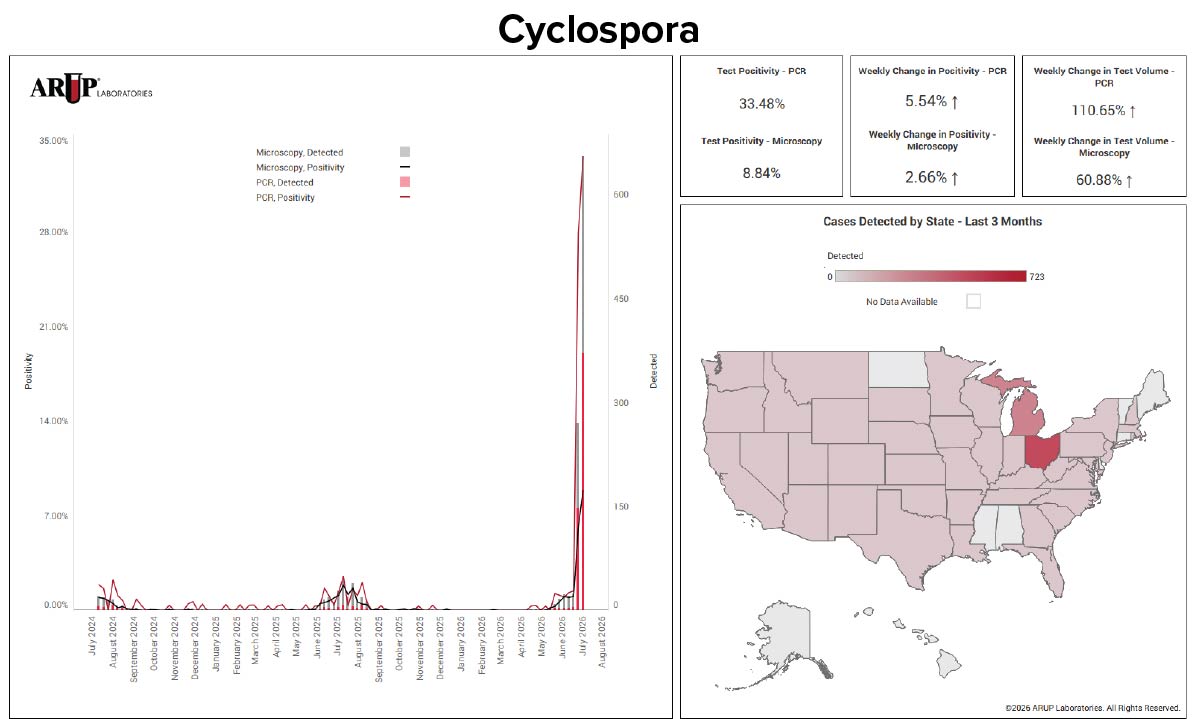
ARUP Laboratories’ Infectious Disease Test Positivity Trends Dashboard now includes Cyclospora data to help clinicians and public health professionals monitor the rising cyclosporiasis outbreak.
