
 Connect Sign In



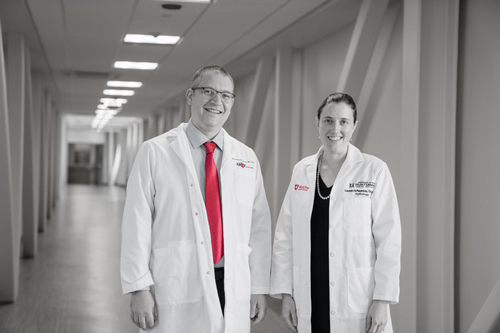





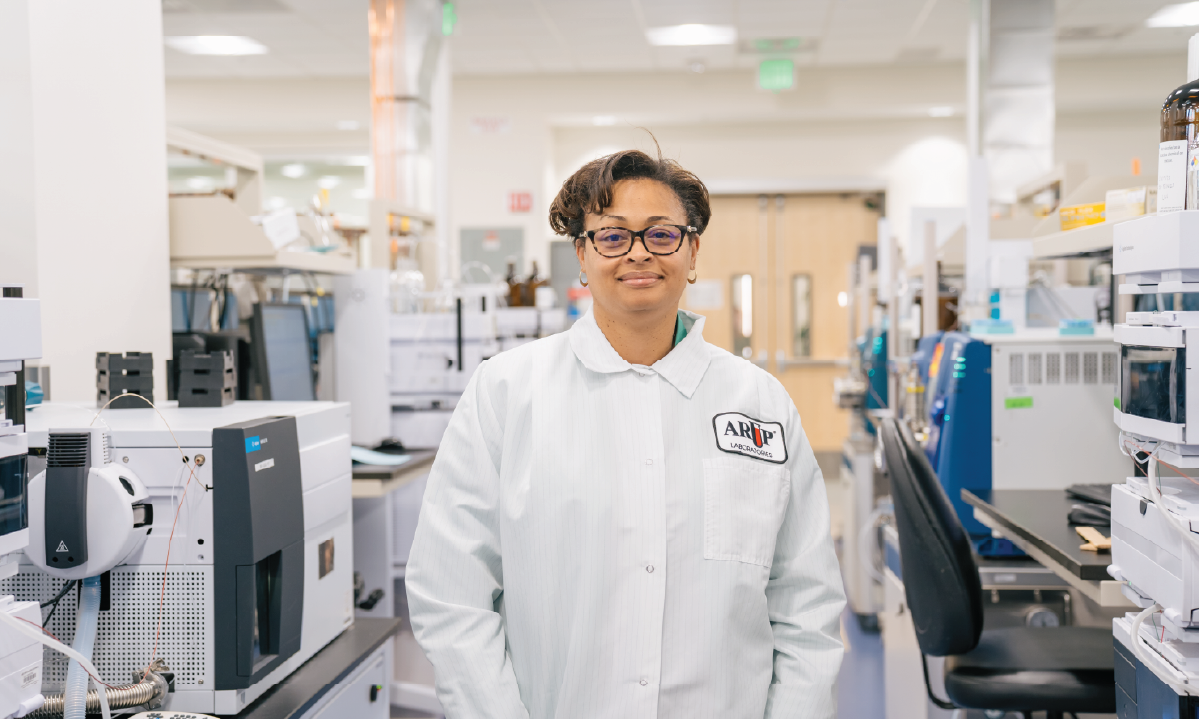
Kamisha Johnson-Davis, PhD, MBA, DABCC (CC, TC), ARUP medical director of Clinical Toxicology, contributed her expertise to the development of new guidance for emergency department drug testing.


ARUP Medical Director of Clinical Toxicology Kamisha Johnson-Davis, PhD, MBA, DABCC (CC, TC), contributed to new guidance that the Association for Diagnostics and Laboratory Medicine (ADLM) has published for the use of urine drug testing to support emergency departments (EDs). The new guidance will assist ED providers in test ordering that is clinically useful and provides information on the limitations of available tests and considerations when interpreting test results.
“The new guidance highlights the importance of collaboration between the emergency department and the laboratory to ensure appropriate clinical utility of testing and test selection,” contributing author Johnson-Davis said.
The document, “ADLM Guidance Document on Laboratory Testing for Drugs of Misuse To Support the Emergency Department,” was published in the Journal of Applied Laboratory Medicine.
The new guidance replaces guidelines that were last published in 2003. Since that time, drug testing has undergone significant changes, including the advancement of laboratory methods such as mass spectrometry and the development of immunoassays.
“This is a revision of the original guideline to reflect current drug use trends, highlight testing methodologies that are currently used in practice, and eliminate outdated information,” Johnson-Davis said.
The guidance includes recommendations for specific patient populations, such as infants and young children, as well as assays strongly recommended for inclusion in ED drug testing.
“The new guidelines strongly recommend that hospital drug test menus should reflect drug use patterns,” Johnson-Davis said.
Drug classes that should be included in test menus include amphetamines, benzodiazepines, cocaine, fentanyl, opiates, and oxycodone, as well as other illicit drugs and drugs of misuse.
The document also discusses the available methods for drug testing and the advantages and limitations of each, which can affect appropriate clinical interpretations.
“The document highlights the limitations of urine drug testing, such as false-positive and false-negative results, the window of detection, assay cutoffs, and result reporting terminology for result interpretation,” Johnson-Davis said.
Johnson-Davis was on the ADLM Science and Practice Core Committee when she learned of the effort to revise the previous guidance.
“I wanted to be part of the team and contribute my clinical toxicology experience and expertise to update the guideline,” she said of the experience.
Kellie Carrigan, kellie.carrigan@aruplab.com
