
 Connect Sign In




Momentum Builds for the RESULTS Act To Protect Patient Access to Critical Laboratory Testing Services


Momentum continues to build behind the federal Reforming and Enhancing Sustainable Updates to Laboratory Testing Services Act of 2025 (RESULTS Act). ARUP Laboratories joined other clinical laboratories in advocating for passage of the bipartisan legislation when it was introduced in 2025 and continues to support efforts to move it forward.
The RESULTS Act would fix what ARUP and other clinical labs view as foundational flaws in the Protecting Access to Medicare Act of 2014 (PAMA). Jonathan Genzen, MD, PhD, MBA, ARUP’s chief medical officer and senior director of government affairs, said that some provisions in PAMA have created years of uncertainty for clinical laboratories that can affect long-term planning and investment.
PAMA was enacted in 2014 to modernize how Medicare pays for laboratory tests but has yet to be fully implemented. The law threatened annual cuts of up to 15% to reimbursement rates for roughly 800 laboratory tests and required many labs to submit information about tests they perform to the Centers for Medicare and Medicaid Services (CMS), including what private payers reimbursed labs for each test.
“The clinical laboratory fee-setting process outlined in PAMA is fundamentally broken,” Genzen said.
Congress has delayed the devastating reimbursement cuts six times, but those stopgaps have only offered temporary relief. The most recent delay was included in the Consolidated Appropriations Act, 2026, the federal government funding package that was signed into law on February 3, 2026.
“The continual deferral of payment cuts, without a long-term fix, has created instability across the laboratory community,” Genzen said.
The RESULTS Act proposes a structural fix to PAMA. Rather than relying on limited voluntary reporting from a small subset of laboratories, the legislation would allow Medicare to base reimbursement rates on comprehensive, representative commercial claims, creating a more accurate picture of the laboratory marketplace.
“The RESULTS Act is the outcome of extensive discussion and thought to clarify appropriate and accurate rate setting, support innovation, and put patient care at the forefront,” Genzen said.
Other key provisions of the act include:
- Protecting patients’ access to routine and advanced diagnostic testing services
- Reducing administrative burden and extending reporting cycles
- Limiting future annual reimbursement cuts to 5%
ARUP’s support for the RESULTS Act is rooted in its role as a reference laboratory serving hospitals and health systems nationwide, all of which are directly affected by Medicare reimbursement policy. Their financial and operational stability is essential to patient care.
“Our support is about our clients and the broader clinical laboratory community,” Genzen said. “We need a system that allows hospitals and clinical labs to operate in a sustainable, predictable way to continue innovating and improving patient care.”
National advocacy efforts led by the American Clinical Laboratory Association (ACLA) have helped build broad, bipartisan support for the RESULTS Act. ACLA has testified before Congress, coordinated provider and patient advocacy, and highlighted the risk that ongoing reimbursement instability poses to patient access and diagnostic innovation. More than 60 leading patient, consumer, and provider advocacy organizations support the RESULTS Act, and lawmakers from 36 states have signed on as cosponsors.
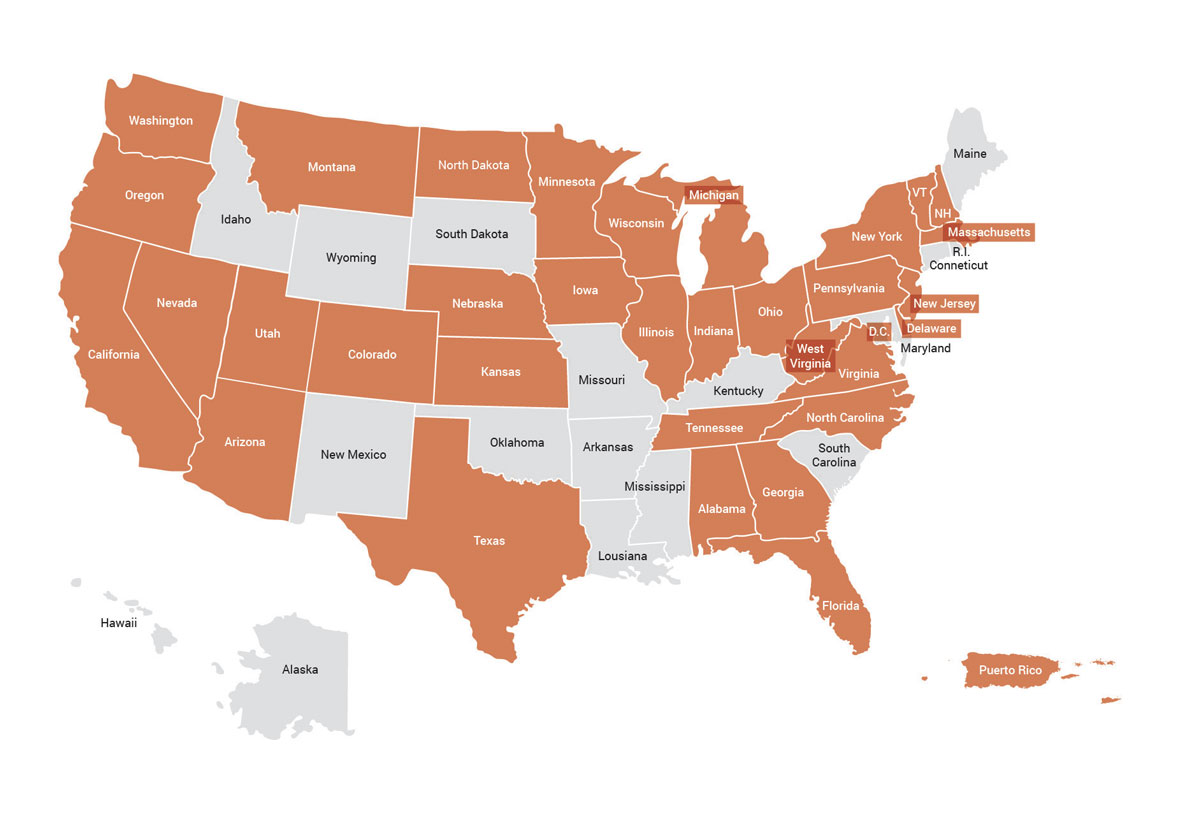
Genzen noted that timing is key, and there is hope that the RESULTS Act could be tied to a larger year-end healthcare package. He added that supporting the RESULTS Act aligns with ARUP’s mission to advance patient care and laboratory medicine.
“Ultimately, the RESULTS Act is good for patients and for the clinical laboratory community,” Genzen said. “It fixes a system that isn’t working as intended and replaces it with one that supports innovation, stability, and patient care.”