
 Connect Sign In



From Storybooks to Science: Making Laboratory Medicine Visible to the Next Generation


Ask children what they want to be when they grow up, and the answers come easily: a doctor, a teacher, a firefighter. These early career dreams aren’t based on job descriptions or salary data. They come from what children see, experience, and recognize in the world around them.
Children imagine futures that feel familiar, and most have encountered doctors at checkups, teachers in classrooms, and firefighters on TV and in parades. Visibility matters. And while some professions are woven into children’s everyday lives, others remain almost entirely out of sight.
Laboratories fall squarely into that unseen category. If children don’t see laboratories, how will they ever imagine working in one?
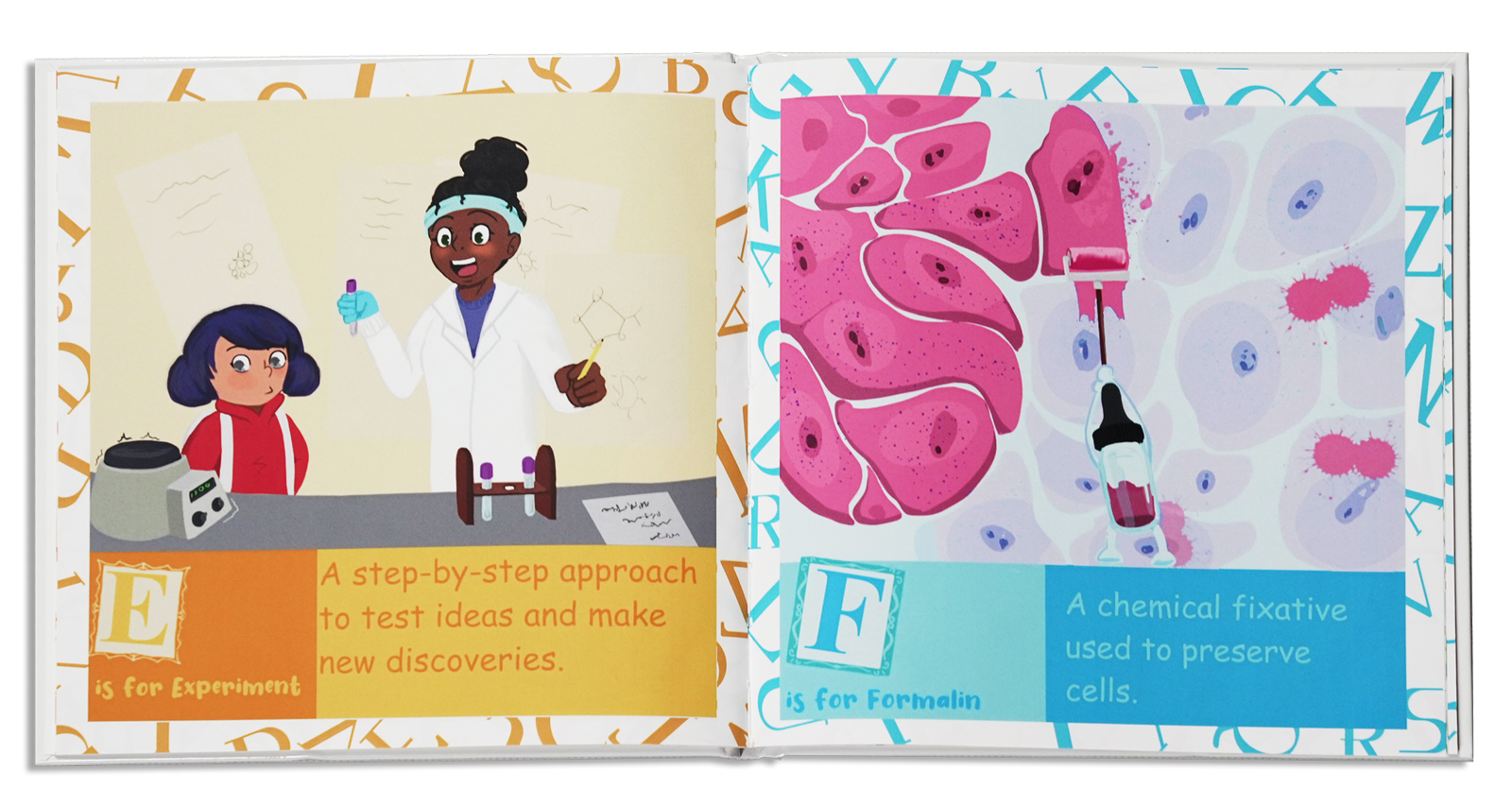
To make laboratory medicine more visible from the very beginning, a group of laboratory professionals created “Little Lab Learners,” a children’s book series designed to introduce young audiences to laboratory environments and the people who work in them, as well as to scientific terminology. The series aims to build familiarity and expand children’s understanding of science and the possibilities within it.
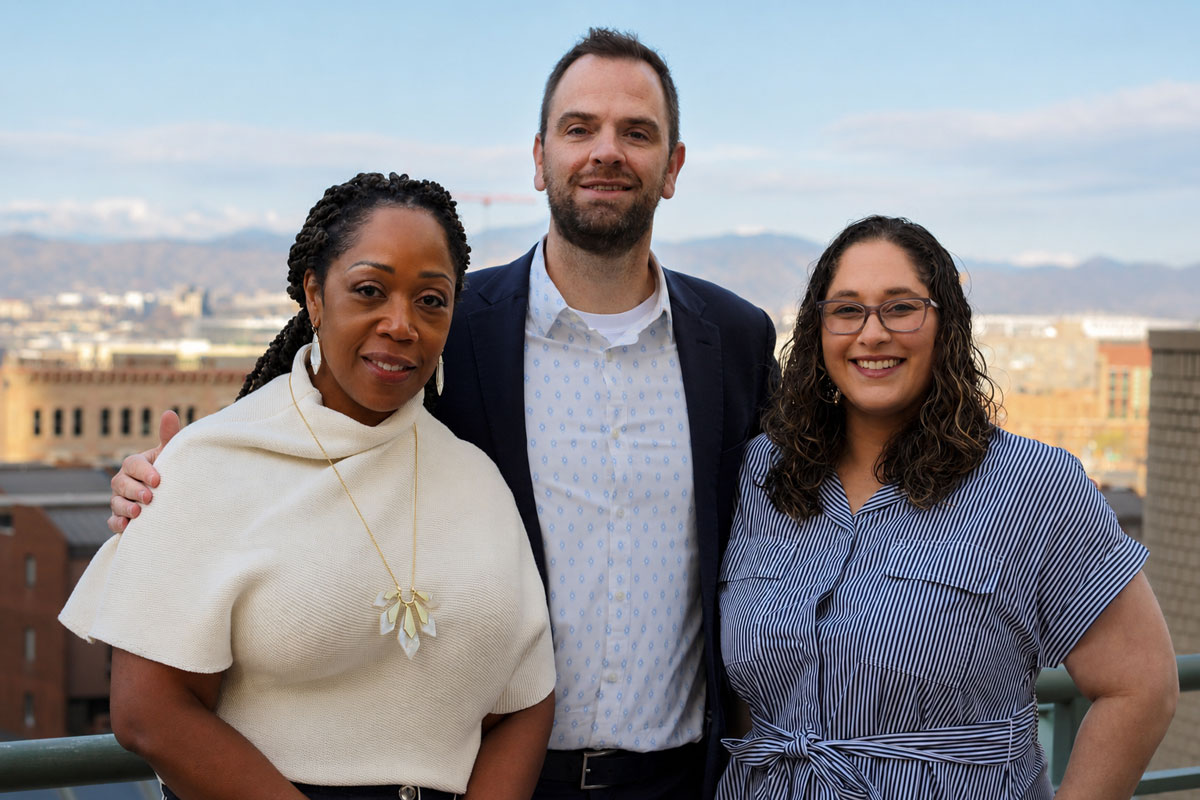
Stephanie Whitehead, MBA, MPH, MLS(ASCP), Melody Boudreaux Nelson, DCLS, CC(NRCC), MS, MLSCM, and Aaron Odegard, MS, MLS(ASCP)CM, SMCM, QLSCM, who work in Texas, Kansas, and Florida, respectively, bring together experience from across the country. The trio first connected through volunteer work with the American Society for Clinical Pathology (ASCP) Council of Laboratory Professionals, where they frequently discussed opportunities to increase awareness of the laboratory profession. Through those conversations, they recognized a need for more age-appropriate resources for younger audiences and ultimately decided to collaborate and create those resources themselves.
What they created is a series designed for early learners—children who may still be mastering their ABCs, but who are capable of understanding what a laboratory is and why it matters. Across the series, young readers encounter lab environments, scientific terminology, and the people behind the scenes in healthcare, presented in ways that are accessible without being oversimplified.
“We realized there just weren’t age‑appropriate materials out there. People were asking for ways to talk about laboratory medicine with younger kids, and the resources didn’t exist,” said Nelson, assistant director of the Core Laboratory at the University of Kansas Medical Center in Kansas City, Kansas. Odegard, a laboratory quality coordinator at Baptist Health in Jacksonville, Florida, shared a similar experience. While planning outreach events for children, he found that the only age-suitable book he could locate on laboratory work was published in 1996.
Their goal wasn’t just to introduce the idea of laboratory medicine as a possible career, but to support children’s health literacy more broadly, helping children to understand how and where medical answers originate and who helps generate them.
Translating complex laboratory concepts to make them clear to young readers required careful thought to avoid oversimplification. “Kids are really capable of learning new terms if you introduce them in an accessible way,” Nelson said. “We didn’t want to water things down to the point where they lost meaning.”
The authors focused on helping children understand what something is and what it does. What is an antibody? What is its job? Starting with function allows young readers to build both vocabulary and understanding, without the burden of unnecessary detail.
That approach also develops confidence. Whitehead, vice president of Pathology Services at University Health in San Antonio, Texas, noted that one of the biggest surprises was how naturally children engaged with the language. “They gravitated right to the words,” she said. “Antibody just becomes another ‘A’ word.”
Another focus of the “Little Lab Learners” series is the concept of representation within the laboratory. Representation can take many forms—who works there, which roles exist, and what the environment itself looks like. Beyond helping children understand what a laboratory is, “We wanted every kid to be able to look at the pages and say, ‘I can see myself here,’” Whitehead explained.
The book highlights different jobs in the lab, including benchwork, quality review, and data analysis. As Whitehead noted, laboratory medicine relies on a range of skill sets, and there is room for curiosity, creativity, and critical thinking in all of them.
“When laboratories are visible early, curiosity has room to grow,” explained Whitehead. Over time, the early awareness can evolve into deeper understanding, trust, and even future interest in the profession. For those already working in laboratory medicine, the lack of visibility represents a missed opportunity. Chérie Petersen, distance education program lead at ARUP, pointed to how often the field goes unseen, despite its impact. “There’s so much more to healthcare than the person in front of you,” she said. “A lot of what informs care happens behind the scenes, and people don’t always realize how much the laboratory contributes to that.”
Increasing that visibility for children, Petersen noted, not only introduces them to a career they may not otherwise encounter, but also helps them better understand the role laboratory medicine plays in their own health and wellness.
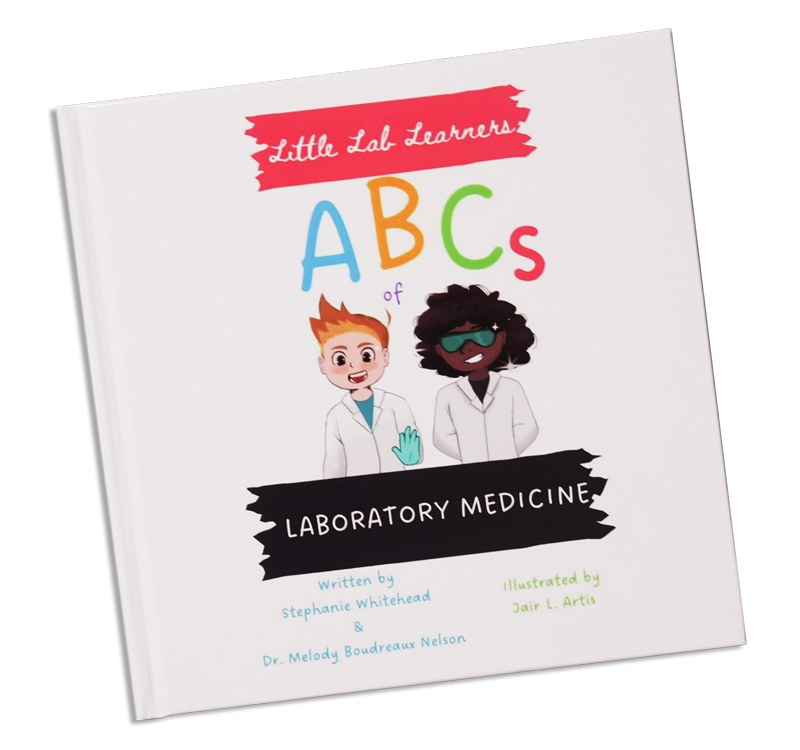
The first title of the “Little Lab Learners” series, “ABCs of Laboratory Medicine,” introduces young readers to the people, tools, and ideas behind laboratory science. Published by Delta Check, LLC, and supported through the STEM to STAT™ initiative, the book is available in multiple formats, including print, audiobook, and read‑along editions. Other products in the series so far include a coloring and activity page set and a sticker pack. The different formats and options are designed to meet children where they are. Families, educators, and curious learners can explore the series and find more information at labcares.org/Little_Lab_Learners. The creators hope that this is just the beginning of a much larger story about how children come to see—and understand—the world of laboratory medicine.
